
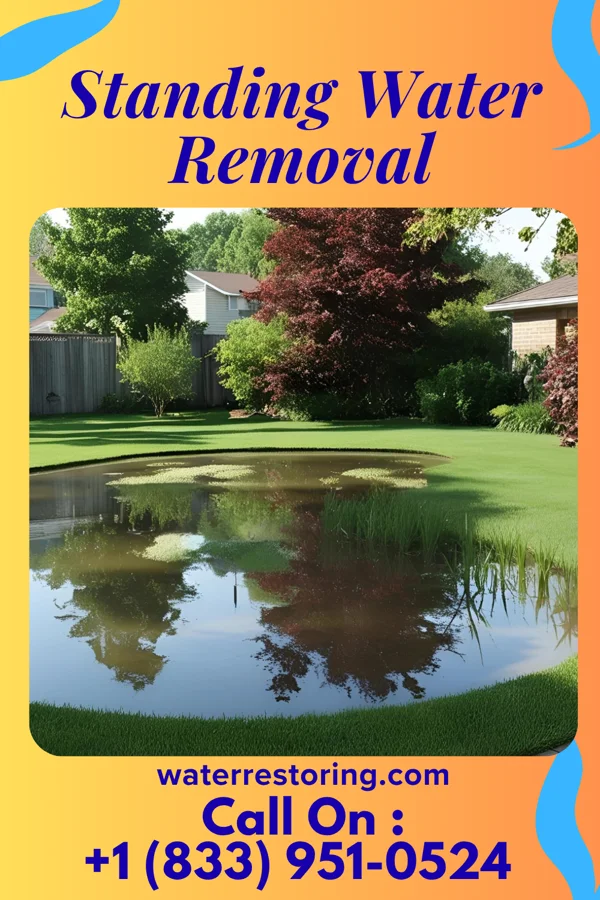
Why Farley Sees Standing Water Often
The pattern in Farley is consistent. In Farley, Missouri, water damage often stems from sudden plumbing failures, such as burst pipes or leaking water heaters, especially during colder months when frozen pipes are a common issue. Additionally, heavy rainfall in the spring and summer can lead to basement flooding due to poor drainage in rural areas. drives most of the emergency restoration calls we get. A close second is Secondary causes include roof leaks from aging or damaged shingles, as well as groundwater seepage through cracks in foundation walls. These issues are exacerbated by the region's clay soil, which can expand and contract, creating vulnerabilities in older homes..
Farley's climate, characterized by hot summers and cold winters, increases the risk of both freezing pipe bursts and heavy seasonal rains. The area's proximity to the Kansas River also means that flash flooding can occur, particularly during spring thunderstorms.
Farley's climate, characterized by hot summers and cold winters, increases the risk of both freezing pipe bursts and heavy seasonal rains. The area's proximity to the Kansas River also means that flash flooding can occur, particularly during spring thunderstorms. The dominant local driver is In Farley, Missouri, water damage often stems from sudden plumbing failures, such as burst pipes or leaking water heaters, especially during colder months when frozen pipes are a common issue. Additionally, heavy rainfall in the spring and summer can lead to basement flooding due to poor drainage in rural areas., with Secondary causes include roof leaks from aging or damaged shingles, as well as groundwater seepage through cracks in foundation walls. These issues are exacerbated by the region's clay soil, which can expand and contract, creating vulnerabilities in older homes. showing up as the next most common cause. Damage builds in stages. Spread. Absorption. Microbial growth. Structural compromise. Every stage you pass through adds to the final bill.